BamBam Font: A Playful Typeface for Small Business Branding
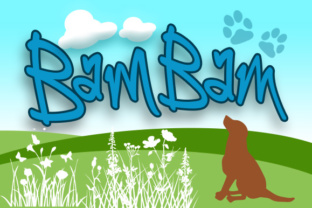
It was a Tuesday morning when I realized my bakery’s new seasonal box design felt completely wrong. The logo looked stiff, the product names were generic, and the whole package screamed "mass-produced" instead of "handcrafted with love." As a creative consultant who helps small businesses refine their visual identity, I’ve seen this struggle countless times. You pour your heart into your products, but if your typography doesn't match that energy, customers might miss the connection entirely. That is exactly why I reached for BamBam, a handwritten, playful font that almost feels like graffiti art, to solve the problem.
The moment I applied BamBam to the mockup of the cake boxes, the entire vibe shifted. It wasn't just a change in letters; it was an injection of personality. This isn't a rigid, corporate typeface. It has a rhythm, a bounce, and a raw energy that immediately tells a story about the maker behind the brand. For small business owners, entrepreneurs, and creators, finding a commercial font that bridges the gap between professional polish and authentic character is often the hardest part of building a brand. BamBam does exactly that.
Why Personality Matters in Your Brand Identity
In the world of brand identity, first impressions are everything. When a customer walks into a boutique, scrolls through an Instagram feed, or picks up a candle jar from a shelf, they are subconsciously reading your design before they read your words. Typography plays a massive role in this perception. If you sell handmade soaps or artisanal coffee, a sterile, standard sans serif font might feel too cold. Conversely, a messy script can look unprofessional if not executed well.
BamBam strikes a perfect balance. It is a display font designed to grab attention without shouting. Its style mimics the spontaneity of a marker on a sidewalk or a quick sketch in a notebook, yet it maintains enough structure to be legible and trustworthy. When I reviewed it for a local café client looking to refresh their menu, the difference was immediate. The old menu used a standard serif font that felt dated. Swapping the headers to BamBam made the food sound fresher, more approachable, and fun. It signaled to the customer that this was a place where creativity was welcome, not just a transaction.
This kind of visual consistency is crucial. Whether you are designing logo design elements, creating packaging design for a skincare line, or updating your web design banners, using a cohesive typeface ensures that every touchpoint feels like part of the same family. BamBam provides that cohesive thread, tying together disparate elements into a memorable brand experience.
Where BamBam Shines in Real-World Applications
While BamBam is versatile, it is important to understand where it works best as a script font. Because of its bold strokes and playful nature, it excels in headlines, short phrases, and decorative accents. It is not intended for long paragraphs of body text. Instead, think of it as the star of the show—the element that draws the eye in.
- Product Labels and Packaging: For a candle seller or a soap maker, the label is your primary salesperson. Using BamBam for the scent name or the brand tagline adds a tactile, hand-painted feel that suggests quality craftsmanship. On a small jar, the thick lines of the font remain readable and impactful.
- Social Media Graphics: In the fast-paced world of Instagram and TikTok, your graphics need to stop the scroll. BamBam works beautifully on promotional posts, sale announcements, or behind-the-scenes stories. Its graffiti-inspired aesthetic stands out against clean backgrounds, making your content pop in a crowded feed.
- Menus and Flyers: For restaurants, cafes, or event planners, BamBam adds excitement to menus and flyers. Use it for section headers like "Fresh Pastries" or "Live Music," paired with a simpler font for the details. It creates a hierarchy that guides the reader's eye naturally.
- Stickers and Tags: Small businesses often use stickers and hang tags to add value to their orders. BamBam is perfect for these small-scale items, turning a simple "Thank You" note into a branded keepsake that customers want to save.
I recently saw a boutique owner use BamBam for her clothing tags. The result was a subtle nod to streetwear culture while maintaining an elegant boutique feel. It showed that she understood her audience—modern, trendy, and appreciative of unique details.
Mastering Font Pairing for Professional Results
One of the most common mistakes I see small business owners make is trying to let one font do all the work. Even the most beautiful creative font like BamBam needs a partner to ensure readability and balance. The key to successful font pairing is contrast. Since BamBam is expressive and irregular, it pairs best with clean, neutral typefaces that get out of the way.
A safe and effective choice is a modern sans serif font. Fonts like Helvetica, Open Sans, or Roboto provide a crisp, legible backdrop for BamBam's wilder strokes. This combination is classic in editorial design and works perfectly for websites where you need clear navigation alongside catchy headlines. Alternatively, for a more sophisticated look, try pairing BamBam with a sleek serif font. The juxtaposition of the rough, handwritten style against the structured elegance of a serif can create a high-end, editorial vibe suitable for fashion brands or luxury beauty products.
When testing these pairings, always check how they look at different sizes. On a mobile screen, your headline in BamBam should still be distinct, while your body text remains easy to read. Avoid using other handwritten fonts or complex scripts alongside it, as this can create visual noise and confuse the viewer. Keep the supporting typography simple to let BamBam shine.
Technical Details and Licensing for Business Use
Before you integrate any premium font into your business materials, there are practical considerations to keep in mind. First, ensure you have the right file formats. Most modern design software supports standard OTF or TTF files, which BamBam typically includes. Check if the font family offers alternates, ligatures, or different weights. These features can add variety to your designs without needing multiple fonts, helping you maintain a consistent brand identity.
Crucially, you must verify the commercial font licensing. As a small business owner, you cannot simply download a font from the internet and use it on products you sell. You need a license that covers commercial use, including packaging, merchandise, digital downloads, and marketing materials. Script Amp, the category where BamBam resides, often hosts high-quality assets, but always double-check the specific terms of use. Using a font without proper licensing can lead to legal issues down the road, which no entrepreneur wants.
Also, consider multilingual support if your business serves a diverse community. While BamBam is primarily designed for English characters, checking for extended language support can be vital for global e-commerce or local markets with non-English speakers.
Elevating Your Visual Story
Ultimately, choosing the right typeface is about storytelling. BamBam is more than just a set of letters; it is a tool for communication. It tells your customers that your business is human, creative, and confident. Whether you are printing thank-you cards, designing a new logo, or refreshing your online shop banner, the right font can transform a good idea into a great brand.
For those struggling to find a voice in a saturated market, don't underestimate the power of a playful, graffiti-style font. It breaks the mold, invites curiosity, and makes your brand memorable. By combining BamBam with thoughtful design principles and proper licensing, you can create a visual presence that not only looks polished but also feels authentic. In the end, that authenticity is what turns a casual browser into a loyal customer.